
Surrey hospital boss grilled over previous safety failings and staffing levels
Hospital bosses have insisted they have ‘learned the lessons’ after safety failings were identified by inspectors.
But councillors say they will continue to keep a close watch on progress.
A senior official from Ashford and St Peter’s Hospitals NHS Foundation Trust was grilled by councillors at a Surrey County Council’s adult and health select committee last week.
The Trust, which runs St Peter’s Hospital in Chertsey and Ashford Hospital, was speaking after the health watchdog the Care Quality Commission (CQC) found problems in the maternity and medical services.
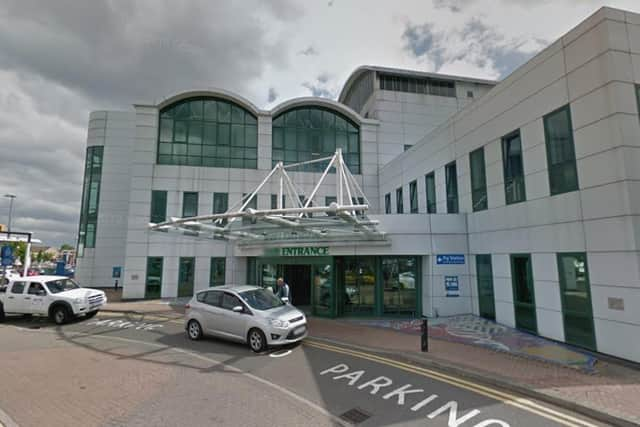

The CQC watchdog previously rated the Trust’s maternity services as ‘inadequate’ in 2023, but was later upgraded to ‘good’ in 2025.
However, the inspection noted continued concerns regarding the service’s ability to demonstrate robust record-keepings for the checking of safety equipment.
CQC inspectors previously found that checks on emergency equipment, such as resuscitation trolleys, were not always properly recorded.
While there was no evidence patients had come to harm, the lack of documentation meant the trust could not prove safety-critical checks had consistently taken place.
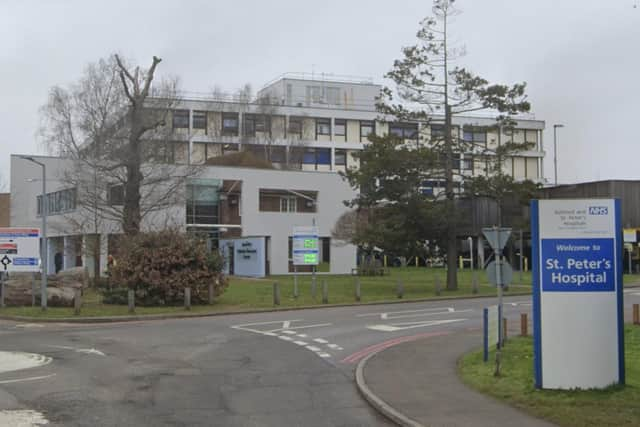
The chief nursing officer, Jay Dungeni, admitted there is still work to do, particularly to reach full compliance in some postnatal maternity areas by early 2026.
But he said the difference now is that problems are picked up earlier rather than waiting for inspectors to flag them.
Committee members pressed the executive chief nursing officer on why basic processes had failed and what reassurance residents could now be given.
In response, the Trust leader said paper-based systems had been replaced with digital dashboards that show in real time whether daily equipment checks have been completed.
Any missed checks now trigger same-day escalation to senior nurses.
Staffing has also been tightened up, the committee was told. The Trust said it now holds daily meetings to review whether there are enough nurses and midwives on shift, especially in high-risk areas like maternity.
If numbers fall short, leaders said it is quickly escalated to senior managers.
For patients in North-West Surrey, this means better oversight of the basics like emergency equipment being ready to use and having enough staff on wards.
Councillors questioned whether improvements have been embedded into the culture of the organisation.
But the chief nursing officer argued that governance ‘deep dives’, daily staffing huddles and board-level oversight of safety data are now embedded, meaning problems should be identified internally before regulators intervene.
Councillors welcomed progress but signalled they are not stepping back. The committee chair said members would continue to monitor digital implementation, maternity safety and workforce pressures.