
Capel quarry to become wildlife haven after permission to ship in 740,000 cubic metres of ‘inert material’ granted
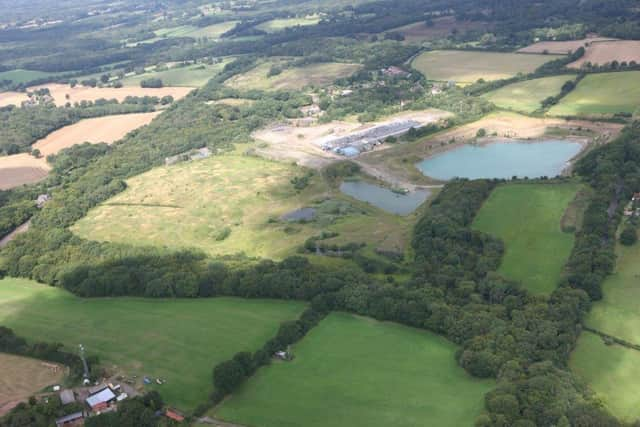
Almost 300 Olympic-sized swimming pools of inert materials will be bought in to turn an old quarry into a nature conservation – although it could take at least 14 years to complete.
Surrey County Council officers granted Suez, a utility company, planning permission to restore the site in Capel near Dorking in June.
It will bring an end to the industrialisation of the land that has stretched back almost 80 years after originally being given the right to dig up the site in 1947, predating the modern planning system.
Regional Manager at SUEZ, Gerry Cavanagh said: “We are delighted that Surrey County Council has granted planning permission for the restoration of Clockhouse Quarry.

“This is an exciting step forward for the scheme and we look forward to delivering all the excellent enhancements for local wildlife and keeping the community updated on our activity as we look to the months ahead.”
Suez will now begin importing around 740,000 cubic metres of inert material, such as soil from nearby construction projects, to raise the base void at the quarry.
They also want to reduce the size and depth of the man-made reservoirs to minimise both health and safety risks associated with unauthorised access, as well as bird strikes for aeroplanes approaching or taking off from Gatwick Airport.
Suez said the plans should help native great-crested newts and other flora and fauna “of interest”.
The first decade of the project will see huge swathes of the site refilled before a potential two-year pause to allow habitats to establish.
This would be followed by another two years work ensuring water can drain freely from the restored land.
The company described it as an “exciting project” that “will breathe new life into the worked-out clay quarry, transforming it into a beautiful landscape rich in biodiversity – with special benefits for protected species like the great crested newt.”
They added: “By using inert materials such as soil from local construction projects, SUEZ will create a safe, sustainable landform that blends naturally into the surrounding countryside.
“One of the most exciting parts of the plan is the creation of new wetland habitats, which will help local wildlife flourish.
“While full infilling work is not expected to start until 2026 – as SUEZ carefully discharges planning conditions and awaits the Environmental Permit – there will be plenty of preparation work happening in the meantime.
“Over the coming months, SUEZ will be installing amphibian fencing to safely relocate great crested newts to nearby ponds, setting up site cabins and weighbridges, and getting the site ready for restoration.”