
'Trump-esque' row erupts over future of Surrey museum
“It’s Trump-esque” is not a phrase you often hear in a council chamber but that is the verdict from councillors during a heated row over the future of the Bourne Hall museum.
Councillors warned it is “almost insulting” to be asked to make a major decision with key pages blacked out, arguing there is a lack of transparency.
Members of Epsom & Ewell Borough Council’s Community and Wellbeing Committee voted on February 25 to defer plans to invest in the museum after complaints that key information had been withheld again.
The dispute centres on a January decision to back investment in the museum.
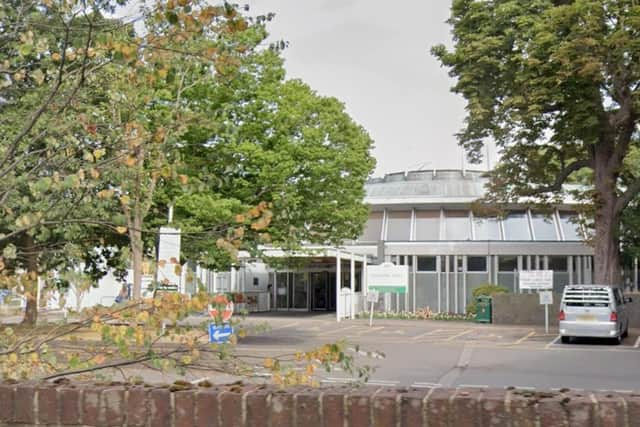

That ruling was later ‘called in’ by opposition councillors who argued the committee had not seen the full consultant’s review, despite it being paid for with public money.
Councillors said they were “very, very concerned” about heavy redactions in the report, with entire recommendations blacked out.
Cllr Bernie Muir said: “I have literally in nine years never seen a document like this. It’s almost insulting to be given a document like this and told we’ve got everything we need.”
She described the situation as “Trump-esque”, adding: “If we’re spending public money on a consultant, how can we not be party to the advice?”
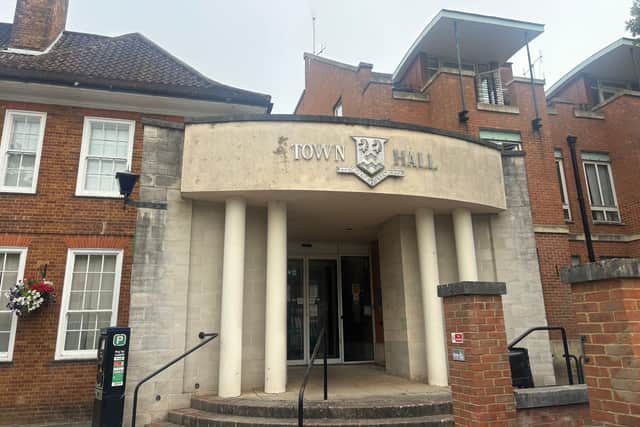
The consultant’s review into the museum’s future was commissioned by the council.
But large sections around the financial and strategic detail were removed before being published to councillors.
Councillors argued that without seeing the full recommendations, they could not responsibly back a plan that could cost hundreds of thousands of pounds.
Some councillors said nothing new had been provided since January.
“All the recommendations from the service review are redacted,” Cllr Kate Chinn said. “I don’t think we’ve moved on at all.”
Cllr Alex Coley said it was “very difficult to justify the secrecy” and challenged the financial case for investment.
He argued headline running costs overstated the museum’s true burden.
“A breakdown of cost has already been provided,” he said.
“When the accommodation and central service charges are removed, the actual costs are closer to £76,000. When staff costs are removed, it’s a little over £10,000.”
He questioned what the investment would actually deliver. “I see funding for consultants to write strategies and plans, but not a great deal of tangible material outcomes.”
Cllr Coley also warned that year one required new revenue funding not set aside in the current budget, while later years relied on a future unitary council that does not yet exist.
“Surely the most sensible option is to leave things as they are and allow the new unitary councils to decide,” he said.
The council’s chief executive ruled that only a redacted version of the review should be published, considering: “The Service Review includes operational detail and workshop commentary which is not required for policy determination”.
Supporters of the investment said the January report contained sufficient summaries and that detailed financial proposals would go to a later committee.
Opponents disagreed. “No company I’ve ever worked for would accept making a decision on this level of information,” said Cllr Muir.
After a heated debate, councillors voted to defer the decision and seek publication of the full review before reconsidering the museum’s future.
The committee chair said he was “disappointed” by the outcome, warning the move could delay improvements to the museum.
Others said they were equally disappointed but with the process.
“It’s a real shame we didn’t get the information we needed right from the beginning,” Cllr Chinn said.