
Give it a go, or call a pro? An expert guide to the home-improvement jobs you can, and can’t, do yourself
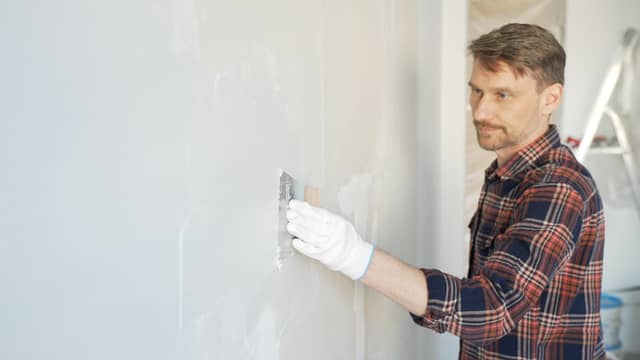

Botched DIY jobs cost Brits almost £2 billion a year, yet many still take on home repairs and hope for the best.
A property care specialist has shared his advice on which tasks you can confidently tackle yourself, and when it’s time to bring in an expert.
George Edwards, Managing Director at Timberwise, said: “It’s a fine balance between knowing your limits and giving it a go. Your property is probably your biggest investment, so you want to be confident that whoever is doing the DIY will nail it.”
Here, George outlines the jobs you can attempt and the ones best left to the pros.
Give it a go
Wallpapering
Interior decoration is one of the most visible forms of DIY, and messy work can be distracting for years. Wallpapering isn’t as easy to correct as painting, but it remains one of the simplest ways to save money when updating a room. Mistakes are unlikely to cause harm to yourself or your property. Take your time, follow expert guidance, and prep the walls properly; even small bumps will show once papered, and dirty walls stop the paper from sticking. As wallpapering is repetitive, you’ll quickly get into the swing of it.
Painting a room
Hiring a professional painter will get the job done quickly, often in just a day or two, but it’s one of the more expensive decorating tasks. If you have the time and are working to a budget, painting yourself is a practical option. Most of the room is simple; the challenge comes with corners, edges and fittings. Make sure you have the right equipment before starting and always double-check the type of paint you need.
Putting up shelving
Installing shelf brackets is all about accuracy. Start by positioning the first bracket at the desired height and using a spirit level to ensure it’s straight. Mark the top and the screw-hole positions. Measure carefully for the second bracket and make sure it aligns perfectly to avoid a slanted shelf. Mark your holes, tape your drill bit to match the wall-plug length, wear goggles and drill — switching to hammer mode for masonry walls. Insert the correct wall plugs so they sit flush, then screw the brackets into place. Mark and drill pilot holes in the shelf, then secure it to the brackets.
Unblocking a sink
It’s not glamorous, but it’s doable. Start by removing any standing water. Try a mixture of baking soda and boiling water; if that fails, use baking soda followed by vinegar, let it fizz, then flush with hot water. For tougher clogs, use a plunger or drain snake, or clean the trap under the sink using gloves and a bucket.
Call a pro
Electrical work
Repairing or replacing home wiring is one of the most dangerous DIY tasks and can lead to severe injury. Many electrical jobs must legally be carried out by a Part P-approved electrician or signed off by local authorities, including new circuits and fuse-box replacements. Apart from basic tasks like rewiring a plug or replacing a bulb, electrical work should always be left to a professional. You’re legally responsible for anyone in your home and could face prosecution if your work causes electrocution.
Major plumbing
Plumbing may be less immediately dangerous, but it’s another common DIY pitfall. Without experience, tinkering with pipes often makes the problem worse, leading to burst pipes, hidden leaks, mould, or even flooding. Many insurers won’t cover damage caused by DIY errors, leaving you to pay for repairs yourself. Leave leaky taps, stubborn blockages and new pipework installations to qualified plumbers.
Removing asbestos
Asbestos is hazardous and must only be handled by trained professionals. A qualified surveyor needs to inspect and arrange safe removal. Never attempt this yourself.
Knocking down an internal wall
It may sound fun, but it’s far from a DIY job. Internal walls can be load-bearing, and knocking one down without proper steel reinforcement can cause ceilings and anything above them to collapse. Always consult a structural expert before removing any wall.