
Gatwick second runway plan approved: When will it be ready? How many jobs will it create? Is there strong opposition?

London Gatwick’s £2.2 billion Northern Runway plans and finally been approved by Transport Secretary Heidi Alexander – but when will it be ready and what does it mean for jobs and the economy and who is in strong opposition?
Ms Alexander published a letter a of approval on Sunday, September 21, saying the plans were a ‘no brainer’ and she posted on X: “Expanding @gatwick_airport is the right thing to do. Along with new jobs for the area, this project will bring significant national economic benefits, helping deliver our Plan for Change.”
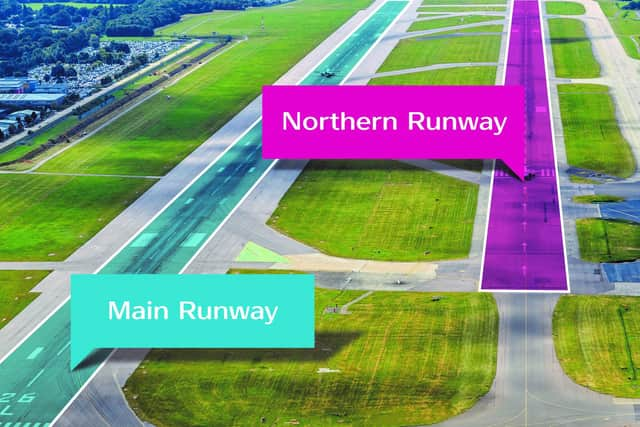
The plan involves moving the current emergency – or Northern – runway 12 metres and all expansion at the airport will be within the current area of the airport.
It was initially expected in February but Ms Alexander said she was ‘minded to approve’ the plans, provided certain conditions related to noise and public transport are met. And in August then Gatwick CEO Stewart Wingate told us: “We put submissions back to the government where we've addressed those concerns and our strong contention is that we've given the government a pathway forward now for them to approve this project.

What is the schedule?
It is expected to be ready by 2030, but the Transport Secretary says it could be ready for the summer of 2029 – before the next General Election.
The original target date was the 2025 summer season, but Covid put expansion plans on hold.
How many jobs will it create and how much will it bring to economy?
The plans will see 100,000 more flights at Gatwick, creating around 14,000 jobs and and inject £1 billion into the region's economy every year.
It could also could help unlock £275m a year for the Sussex visitor economy, as the region looks to attract more high-value international tourists.
How will the two runways work?
The main runway would continue to be used for all landings and some take-offs. The additional runway would be used only for departures for narrow-bodied aircraft like the Boeing 737 and Airbus A320 family – as used by airlines such as British Airways, easyJet, Ryanair and Wizz Air.
What has Gatwick said about the approval of the plans?
Stewart Wingate, VINCI Airports Managing Director for United Kingdom said: “After a lengthy and rigorous planning process, we welcome the Government's approval of plans to bring our Northern Runway into routine use, ahead of the expected deadline.
“This is another important gateway in the planning process for this £2.2bn investment, which is fully funded by our shareholders and will unlock significant growth, tourism and trade benefits for London Gatwick and the UK and create thousands of jobs.
“As we’ve said previously, it is essential that any planning conditions enable us to realise the full benefits of the project and do not impose unnecessary constraints that make it uneconomic to invest in.
"We now need to carefully examine the details of the planning consent. Once we have done that, we will be able to comment further.”
Is there strong opposition?
Yes – campaign groups have been fighting these plans since their inception and have come out against the decision to approve them.
Peter Barclay, Chair of The Gatwick Area Conservation Campaign (GACC), said: “This is a profoundly irresponsible decision that flies in the face of climate science, environmental evidence, and the interests of local communities. Expanding Gatwick Airport at a time when the UK is legally bound to reduce emissions is a betrayal of future generations.
“This flawed decision prioritises short-term commercial interests over the long-term environmental and social costs. It will worsen noise pollution, traffic congestion, and carbon emissions — all in an area already under pressure.”
Rosie Downes, head of campaigns at Friends of the Earth, said: "With emissions from aviation rising as climate extremes increasingly batter the planet with more intense floods, droughts and wildfires, it's a struggle to see how the government can conclude expansion at Gatwick is a wise move. The Secretary of State says a second runway is a "no-brainer" for the economy, but the economic case for airport expansion is massively overstated. Any growth in air passengers leaving the country is likely to mean more UK tourists using their spending power overseas than anything we might gain from visitors.
"The UK's green sector was the fastest growing part of our economy last year. Common sense would see the government championing measures that will both improve our lives and protect the planet if it's serious about sustainable growth, such as upgrading the nation's public transport infrastructure. If we're to meet our legally-binding climate targets, today's decision also makes it much harder for the government to approve expansion at Heathrow."
Communities Against Gatwick Noise Emissions (CAGNE) said: “CAGNE stands ready with Leigh Day Solicitors to serve a Judicial Review funded by residents and environmental bodies.
“We know this government cares little for the environmental impact aviation is having on our planet and Gatwick’s neighbours, but not to demand that Gatwick pays for the infrastructure, the onsite wastewater treatment plant, and noise impact is unlawful in our book.
“The government seems in such disarray and desperate for short term headlines that they obviously haven't read the planning inspectorate's report carefully that proposed refusal.
“We will now carefully read the announcements by the Secretary of State and consult our legal team, but this is not over for Gatwick or the government.”
What did Chancellor Rachel Reeves say?
Chancellor of the Exchequer, Rachel Reeves, said: “This Government promised to kickstart the economy - and we are. A second runway at Gatwick means thousands of more jobs and billions more in investment for the economy.
“We are backing the builders, not the blockers. By slashing red tape and transforming the planning system to get Britain building again we are investing in this country’s renewal and building an economy that works for working people.”
How will it affect travellers?
The Independent wrote: “Capacity will steadily rise from the current average of 767 arrivals and departures each day to as many as 1,066 – an increase of 40 per cent. With the mean size of aircraft increasing and more long-haul flights using larger planes, annual passenger numbers could potentially nearly double from the current 43 million to as many as 80 million.”