
Independent airspace change ombudsman needed to protect residents' interests, says CAGNE
Aviation community and environment group CAGNE (Communities Against Gatwick Noise Emissions) have called for the creation of an independent airspace change ombudsman outside of the Civil Aviation Authority.
A CAGNE spokesperson said: “CAGNE leads the national call of community and environmental groups in encouraging residents to write to their Member of Parliament to raise concerns about proposed changes to UK airspace and the potential impact of concentrated flight paths on homes, health and quality of life.
“The call comes as the Civil Aviation (Consumer Protection and Regulatory Reform) Bill [HL] progresses through Parliament. The Bill includes provisions relating to airspace change and would give the Civil Aviation Authority expanded rule-making powers.
“While modernising UK airspace is important, residents and community groups are concerned that people on the ground may be left without a clear, independent route to challenge decisions that have serious and lasting consequences.
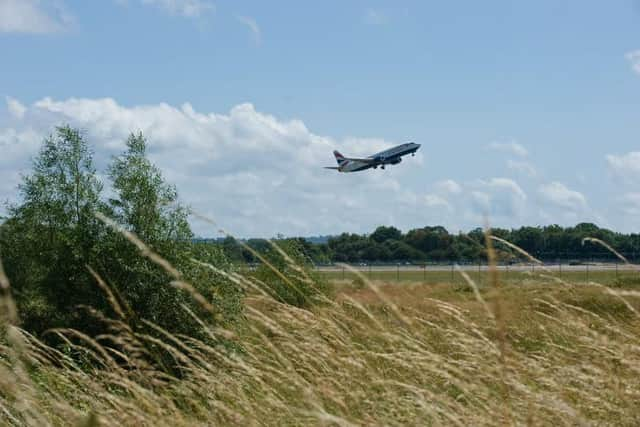

“Residents are being asked to contact their own MP and urge them to support the creation of an independent airspace change ombudsman outside of the Civil Aviation Authority.”
Sally Pavey of CAGNE said: “A modern airspace system must not be achieved at the expense of fairness, health or democratic accountability.
“Residents deserve an independent route to raise concerns when decisions about flight paths affect their homes, sleep, wellbeing and quality of life.
“We are asking MPs to stand up for communities on the ground and support proper independent oversight of the airspace change process.”
The Department of Transport said the Civil Aviation Bill had completed all its stages in the House of Lords and had been introduced in the House of Commons. It is awaiting Second Reading in the Commons when Parliament returns from the summer recess.
The Government announced plans last year to open up more direct routes so holidaymakers can enjoy quicker flights and fewer delays – but the Department of Transport said the Government had no plans to appoint an airspace modernisation ombudsman.
A Department for Transport spokesperson said: “Local communities will always be consulted and their views considered before decisions are taken that impact their area.
“While these new plans give the Civil Aviation Authority greater flexibility to implement changes to flight paths, it does not change the requirement for robust public consultation.
“Airspace changes could see quicker flights, fewer delays, quieter take-offs and less aircraft stacking as planes follow more direct routes.”
A CAGNE spokesperson continued: “This issue is not about airport expansion. It is about fairness, accountability and democratic oversight in decisions that could change the skies above communities for generations.
“Under the current airspace change process, residents affected by aircraft noise can have very limited practical means of challenge once proposals have passed through the CAA consultation. Groups fear that the proposed arrangements may further reduce opportunities for ministerial intervention, meaningful appeal or independent scrutiny.
“Communities beneath concentrated, and potentially new, flight paths can experience increased noise, sleep disturbance, anxiety, loss of amenity and impacts on wellbeing. These are not minor inconveniences. For many households, changes to flight paths can affect daily life, mental health and the peaceful enjoyment of their homes whilst in rural locations significantly reducing the value of homes.”
CAGNE have encouraged residents to write to their MP and ask them to:
- support an independent airspace change ombudsman outside the Civil Aviation Authority;
- ensure affected communities have a fair route to raise concerns and seek review when flight path changes cause disproportionate harm;
- press for transparent evidence, proper accountability and independent scrutiny in airspace change decisions;
- recognise the health, wellbeing and property impact experienced by residents living beneath concentrated flight paths or new flight paths.
CAGNE said residents may wish to ask their MP to write to the Secretary of State for Transport, raise the issue in Parliament, support amendments to strengthen independent oversight, or meet local residents to hear their concerns directly.